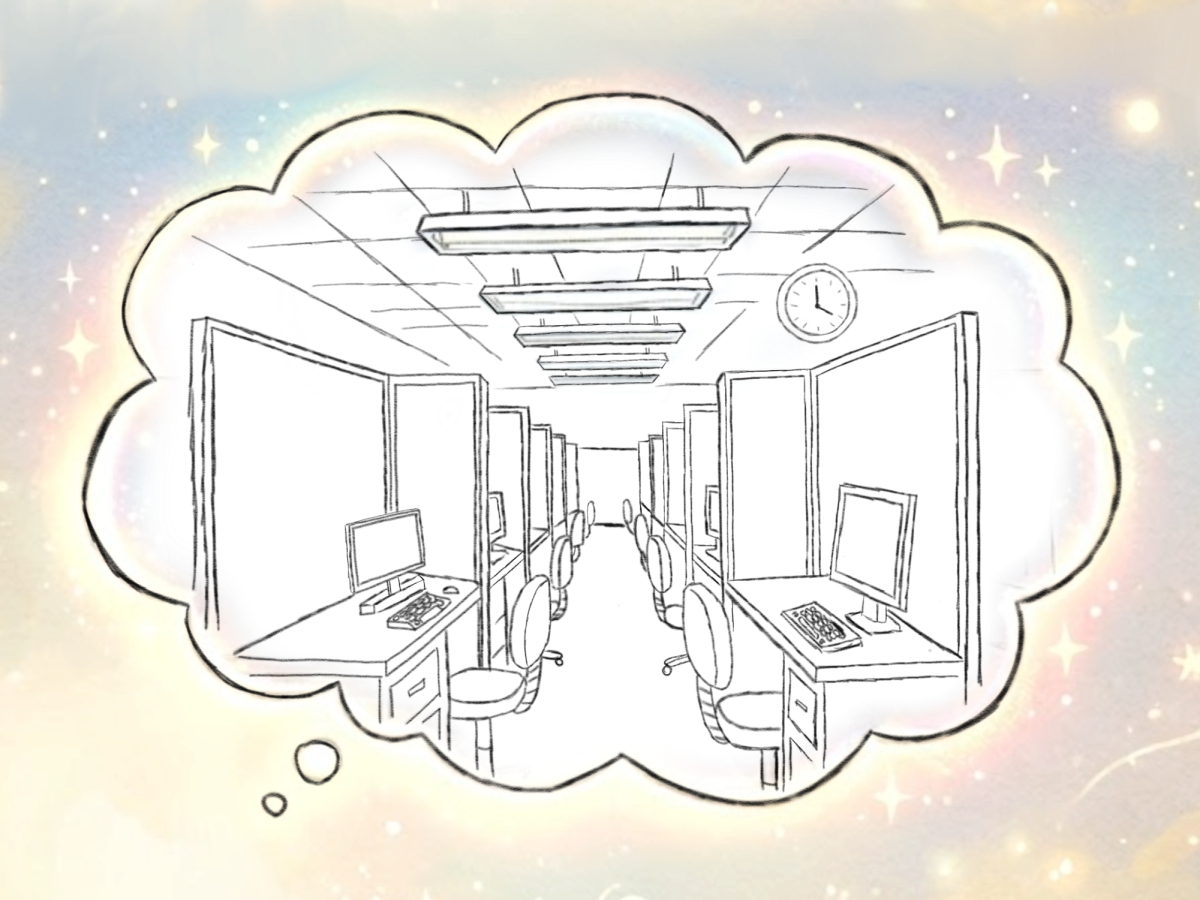
“Hook the reader” — it’s more easily said than done. As a writer, my mission is to gauge my audience’s attention: I hunt readers’ sparkling eyes like gold. Every phrase is morphed to live beyond the page. It’s my job to ask: What do you think? Do you like it? Is it any good at all? An eager nod is all it takes to make my day.
That’s the power of validation.
Validation is about empathy: an acknowledgement of your feelings. While critique helps growth, being told to fix the problem can feel impersonal and cold. Defensive remarks spill out when told you’re just not there yet. Conversely, reassurance is comforting, boosting the confidence we crave.
In fact, humans are biologically wired to seek validation. When we’re complimented, our brain’s reward center releases dopamine. Cortisol (stress) decreases and oxytocin (the “love hormone”) increases. These “feel-good” triggers reinforce the commended behaviors. You’re left wanting more, beginning a treasure hunt for praise.
However, praise must be taken with precaution. Last summer, I channeled my inner poet. Yet, being alone at home, I didn’t have an audience to seek feedback from. Stuck, I turned to the supposed next best thing to human readers: artificial intelligence.
Despite harboring doubts, I sent my poems to ChatGPT, awaiting suggestions. Ten seconds later, ChatGPT crafted a luxurious paragraph: it praised me on my “natural” voice and “exceptional” poetry. I closed my computer smiling, forgetting the second stanza’s awkward phrasing. AI’s vague compliments left me giddy to write another poem that would affirm my poetic greatness.
In hindsight, ChatGPT was not a key to unlocking my hidden genius. It simply harvested an exciting dopamine rush. My giddiness veiled the fine line between feedback and flattery. Instead of reevaluating my writing, I grew complacent because an external source told me I was good enough. My satisfaction as a poet had tied itself to a dependence on empty praise.
The danger of being caught in this “validation whirlpool” isn’t limited to writers. A recent social media trend involved asking ChatGPT to picture your future. While initially framed as a fun activity, the trend quickly became a guide to achieving your dream life. Comments revealed how people found solace and hope in the AI-spun story. Many craved further “evaluations”—flattery disguised as feedback. From resumes to life decisions to romantic advice, ChatGPT became the go-to guru.
However, ChatGPT is not a true sage: it’s simply designed to be the “perfect validator.” While human feedback-based training ensures comprehensibility, it also ensures subjective responses are pleasant. Our constant craving for validation leaves us addicted to external sources of confidence. The issue, exacerbated by increasing AI accessibility, diminishes self-thought. Instead of reflecting on our choices, we’re spoon-fed what to believe. We want to be explicitly told that we chose correctly.
As adolescents, we’re bound to have insecurities. At crossroads, we question our judgment and abilities. Self-doubt makes us prone to falling into the cycle of validation. The pressure to be perfect leaves us seeking signs that we’re on the right path.
However, our confidence shouldn’t sway to a chatbot’s empty words. Even mentors and parents shouldn’t be foundational pillars of our choices, rather guides. It’s natural to want certainty. But by tying our worth—our ability to remain steady—to external sources, we deprive ourselves of self-trust.
Instead, our actions must be fueled by internal confidence. Growth comes with discomfort. Seeking external reassurance is a temporary band-aid to plaster over doubt. The real treasure is the internal strength built from self-reliance and productive struggle. It’s about trusting your own journey, rather than finding evidence of success.
Success comes from trusting your own journey, rather than finding evidence of success.