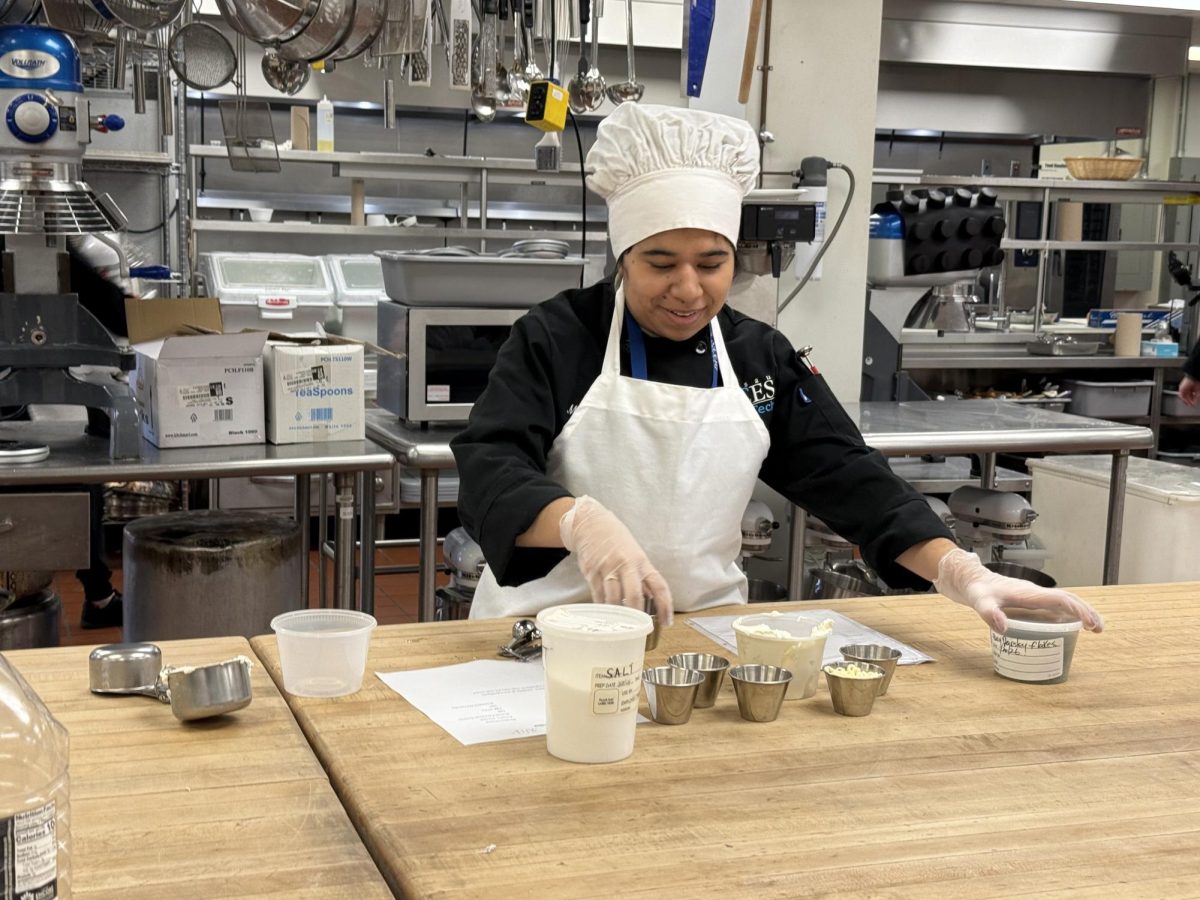
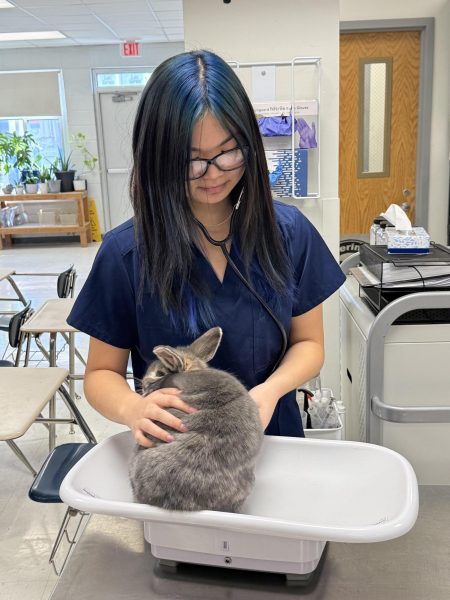
At 11 a.m., a school bus pulls away from Great Neck South High—not because the day is over, but because it’s just beginning. While most students remain in South High’s hallways, heading to their regular classes, a small group has already completed half their day, trading iPads and desks for kitchens, animal clinics, and other hands-on experiences at Barry Tech, a Nassau County BOCES career and technical education school. Recently, two South High students—Maite Ariza Salamanca, a junior in the Culinary Skills program, and Xinyao Shi, a senior in Veterinary Science—were named Students of the Quarter for their achievement, work ethic, and academic initiative. Their path to success? BOCES (Board of Cooperative Educational Services), a program that prepares students for the workforce or specialized education through hands-on learning, industry-standard equipment, and workshops or internships with professionals.
According to Dr. Cruz, head of Great Neck South’s Guidance Department, “BOCES in Nassau County was established in 1967; [today, they serve 56 school districts in Nassau County].”
However, currently, only 28 South High students participate in the program. BOCES lasts two years and is tailored to juniors and seniors; applications are submitted in tenth grade. For roughly half the school day—four to five periods—students commute to Barry Tech to pursue a variety of programs. Plumbing, construction, and welding are among the most popular and competitive, but BOCES also offers courses in fashion design, computer game design, culinary arts, nail and wax technology, and more. Recently, BOCES has expanded its health services offerings to include programs such as Nurse Assisting, Medical Assisting, Dental Assisting, as well as Sports Medicine and Personal Trainer.
For first-year students, who are typically juniors, BOCES takes place in the morning; second-year students attend in the afternoon. Because Barry Tech is about a 30-minute commute from South High, an extra period is built into seniors’ schedules to allow time for transportation. Juniors take the bus in the morning and do not require a transport period, attending BOCES during the first four periods of the day. Seniors, by contrast, attend during the final five periods.
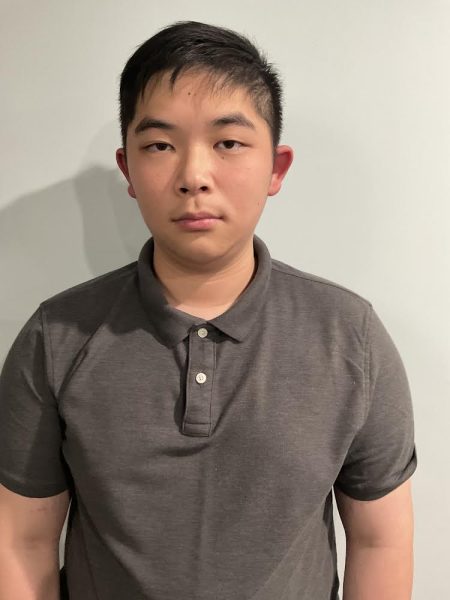
For senior Xinyao Shi, a veterinary science student, a typical day at Barry Tech begins with locking away her phone before changing into scrubs and getting straight to work. Each week, students are assigned different animals. When they are juniors, much of their time is spent cleaning animal enclosures, but as seniors, their focus shifts to animal enrichment—letting animals out to play while closely monitoring their behavior. Afterward, students transition into lectures. They are currently studying pharmacology, learning complex medication names and when and how they should be administered. The day ends like any other school day, with note-taking, test preparation, and projects.
Clinic days, however, follow a different routine. Last year, a veterinarian visited every Tuesday to discuss his career, while clients brought their pets for vaccinations and checkups. Each week, a different group of students assisted the veterinarian: A charge nurse documented vitals, two assistants handled the animals and prepared vaccines, and two receptionists greeted clients and recorded the pets’ information. This year, students are paired to visit the VEG animal hospital on scheduled dates, changing into scrubs and grabbing notebooks and nametags before boarding a bus. Upon arrival, the doctors greet them, and the day’s experience depends on the hospital’s activity. Busy days may include observing surgeries and checkups, while slower days involve talking with the doctors, taking notes, and asking questions.
With students away for half the day, some may wonder how they earn the credits needed to graduate. Most take only the required classes at their home school, while BOCES grants four elective credits each year. Certain programs may even award an additional credit in subjects like math or science, allowing students to substitute for traditional courses they cannot fit into their schedules. However, as Dr. Cruz explained, “[It] does entail some maneuvering of classes and making some difficult decisions on classes that they couldn’t fit.”
BOCES offers an alternative to traditional learning and enhances career-readiness. Dr. Cruz recalled, “I had a student very interested in welding; they wanted to pursue it as a career and were thrilled by the possibility of a six-figure salary through the program.”
Many students also gain certifications or union eligibility that can lead directly to jobs after high school. Dr. Cruz added, “I had a student who thought they wanted to go into dentistry. After doing the dental program, they realized it wasn’t a good fit and pivoted toward another medical path.” Programs like culinary arts or criminal justice can even complement traditional college tracks in fields such as medicine or law.
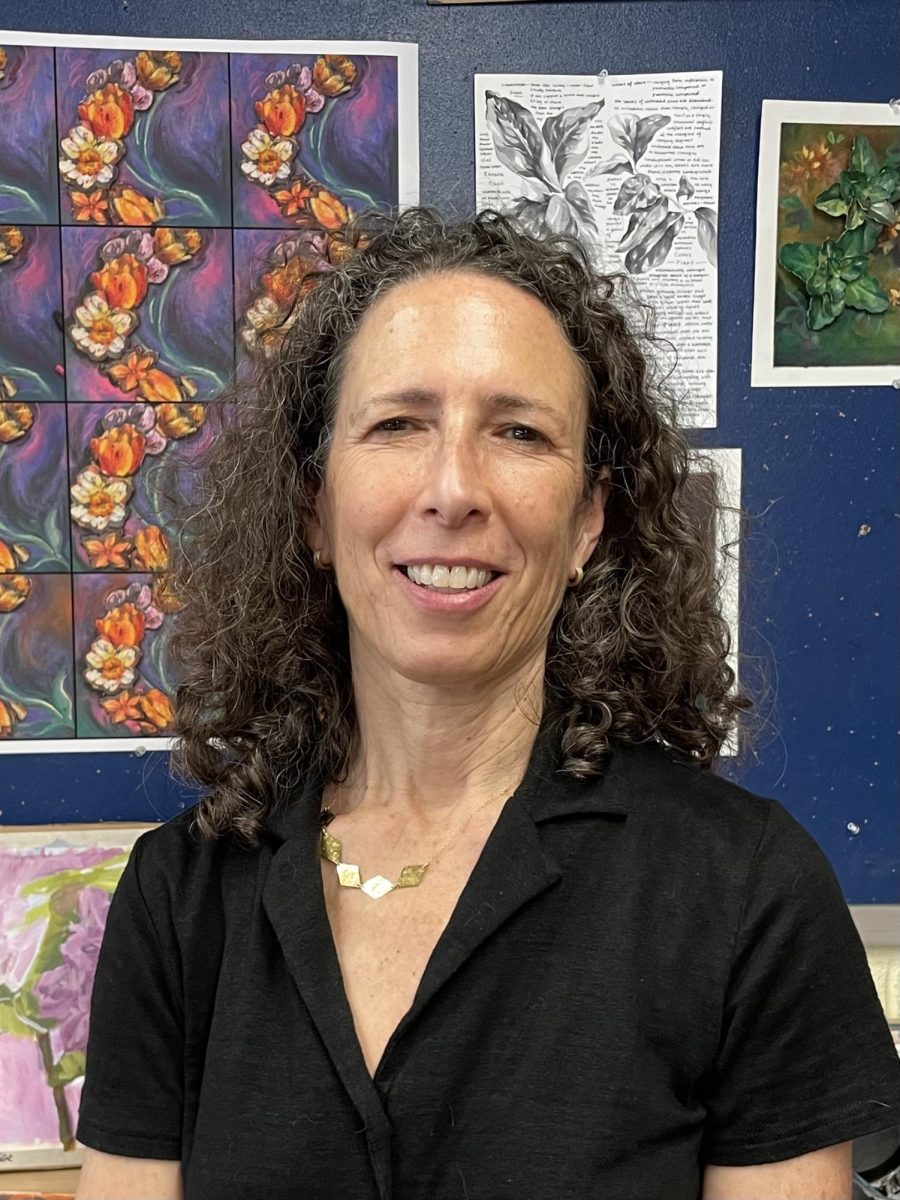
As an ENL student, junior Maite Ariza Salamanca has found that BOCES has not only fueled her passion for cooking but also helped her improve her English. “This program has given me an amazing opportunity to practice [English] and gain confidence,” she said. Maite began cooking at the age of 8, and it quickly became something she truly enjoyed. “When I discovered that I could take part in a Culinary Arts program through BOCES while still in high school, I was thrilled. The opportunity to pursue my passion, gain real-world experience, and develop skills that will help me in my future career is what inspired me to enroll.”
Similarly, Xinyao, who aspires to become a veterinarian, was immediately drawn to the program. “BOCES is now a big part of my life and has shaped me into the person I am today. The friends I’ve made, the teachers I’ve met, working with the animals, and the hands-on educational experiences I’ve had made it all worth it,” she said. Although both students initially struggled to adjust to the program’s rigor, they have since thrived personally and socially through collaboration with like-minded peers and supportive educators.
Ultimately, the value of BOCES lies in the paths it opens. Whether through encouraging career readiness or helping students discover a fulfilling, profitable career, the program has something for everyone. Interested students can speak with their guidance counselor during course selection or tour Barry Tech to explore their options. Commitment is central to the BOCES experience, with a student’s vision shaping what they gain from the program. As Maite says, “[BOCES] showed me that if you work hard and put your heart into what you do, great things can happen.”
Editor’s Note: The February 2026 print issue incorrectly identifies Maite Ariza Salamanca as a senior in the photo caption. This version has been updated.