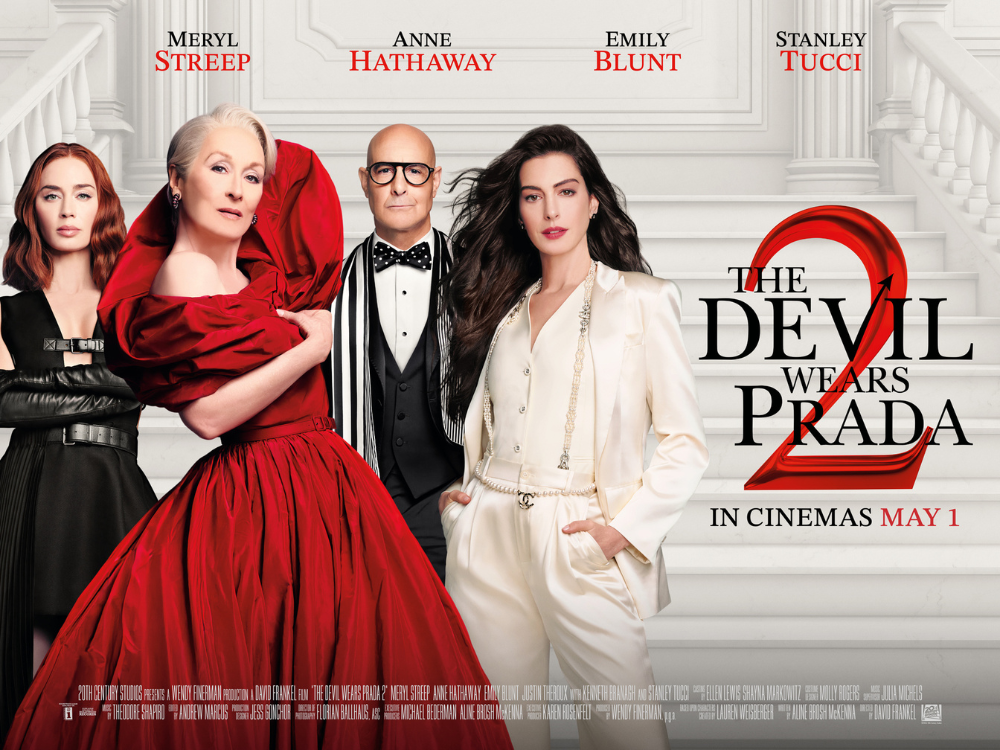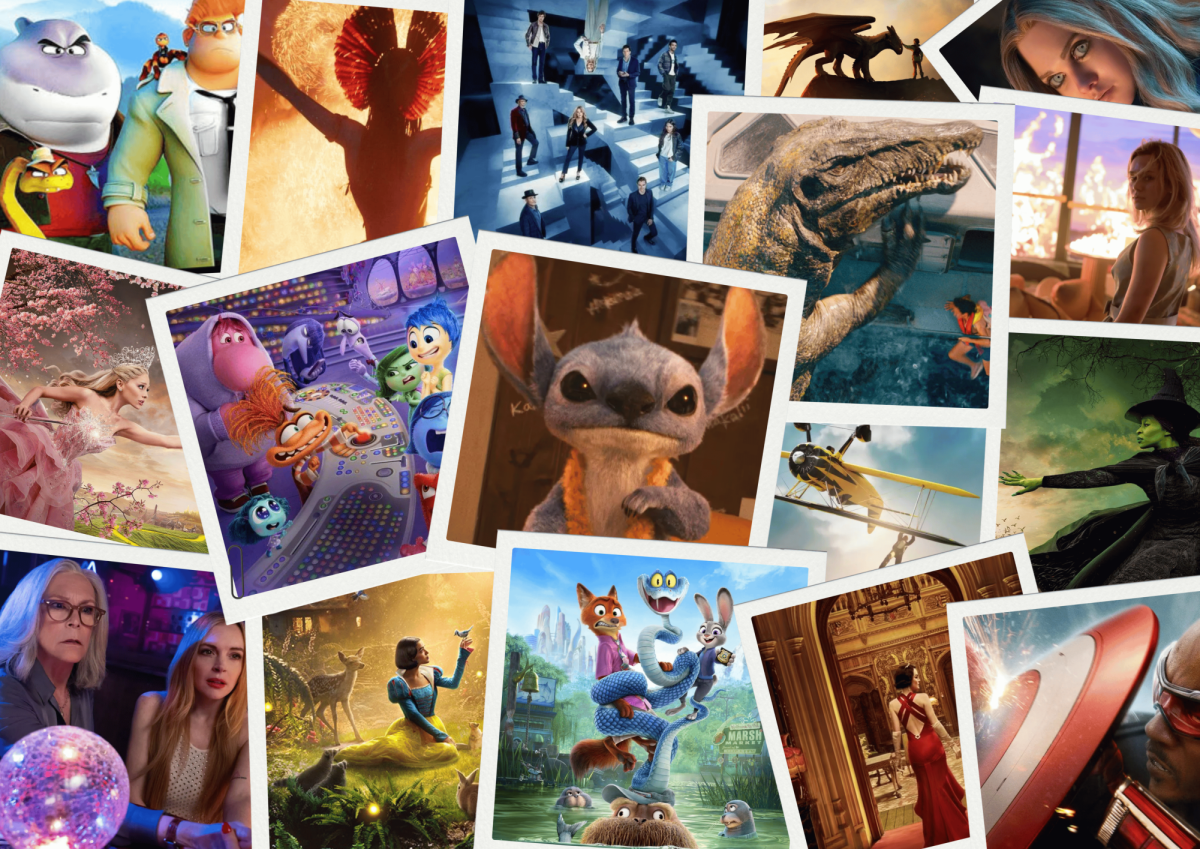
Wicked. Zootopia. Freakier Friday. A slew of pre-2000s Disney movies. 2025 was the year of the sequel, and 2026 shows no sign of slowing down. In the coming year, studios have announced sequels for The Devil Wears Prada, Toy Story, Jumanji, and more. Did reading those lists tire or bore you? Imagine how audiences feel.
Over the past decade, complaints of sequel and remake fatigue have steadily increased, with the general public showing particular disdain for remakes. Live-action films have generally received the worst reception: only 4 of 24 live-action Disney remakes have a Rotten Tomatoes score of 80 or above. However, Disney released two live-action remakes in 2025, has confirmed one remake in 2026, and is developing five remakes for later release. The Walt Disney Corporation (like any major film studio) wouldn’t be caught dead skimping on R&D or ignoring an opportunity to turn a profit, so its apparent disregard for viewer reception raises a question: If audiences are so tired of remakes and reboots and sequels, why do studios keep making them?
It is common knowledge that live-action Disney remakes aim to capitalize on nostalgia. The same goes for any remake, reboot, or sequel; people enjoy watching what they know, and film executives know this. Combine this already-present desire for familiarity with the whirlwind of the last few years, and you get a comfort-starved audience—one that will pay to remind itself of better times. Turbulent sociopolitical climates encourage studios to exploit nostalgia. When the world changes suddenly and violently, the general public seeks stability in factors that it can control, such as entertainment. Therefore, studios tend to take fewer creative risks in order to play into viewers’ desire for the known. Other industries apply the same logic. For example, during tumultuous times, beauty companies tend to avoid altering their packaging, and soft drink companies postpone new product launches. The film equivalent of this strategy entails recycling old classics. When the real world faces destabilization, audiences enjoy returning to their comfort zones through movie-aided escapism. Just as people seek comfort food, well-traveled roads, and pre-established self-care rituals when feeling down, they seek normalcy and constancy in media during tough times.
Of course, not everything is about consumers; film studios have their own interests at heart. During turbulent times, which affect not only viewers but also studios, studios often opt to minimize risk. Sequels and remakes, which come with built-in audiences, mitigate the greatest risk attached to making a movie—that no one will want to see it. If a piece of media is deemed worthy enough of a follow-up, chances are that the public received the source material well. Therefore, they will be more inclined to tune in to a film based on its well-regarded source. By building on already-known media, studios also maximize name recognition, which in turn increases exposure and potential profit. This catapults films past the first and most important hurdle: determining and obtaining an audience.
Sequels and remakes also mitigate risk for studios because they are easier to produce. They feature pre-tested stories, established characters, and settings, thereby slashing initial development time. This allows studios to produce films on a time crunch, so if one film isn’t as profitable, the time “wasted” on it isn’t as valuable. Some studios also prefer to minimize development time to maintain franchise momentum. The production of Frozen 2, for example, was rushed to the point of being extremely rushed due to this approach. Into the Unknown: Making Frozen 2, a Disney+ series documenting the creation of the sequel, revealed that its writers had not solidified critical plot points even after its test screening. Peter Del Vecho, the film’s producer, said that a pivotal scene “required all of the resources at the studio” to be finished in time for the movie’s release. Unfortunately, this approach, while profitable, often gives the impression that films are “churned out.” Studios must balance making art with making money, but they often choose the latter, leaving audiences frustrated and betrayed.
Though the general public may lament the recent influx of sequels, ironically, audience criticisms of remakes sometimes dissuade studios from taking risks on original films. The general public does not respond well to unfaithfulness toward source material. You probably don’t remember Disney’s 2020 live-action Mulan remake, and there is a reason why—audiences received the film extremely poorly (46% audience rating on Rotten Tomatoes), in part due to its deviation from its source material. The remake removed talking dragon Mushu, axed the animated version’s musical numbers, and replaced Mulan’s growth arc with innate superpowers. Naturally, audiences who enjoyed the original Mulan for its color and whimsy were sorely disappointed. This sort of backlash sends studios the (perhaps misunderstood) message that audiences crave familiarity. So, instead of creating original media, studios, afraid of low box office revenue, opt to work with what has already been made. Audiences also talk with their wallets; many original films have seen disappointing box office sales in recent years. Pixar’s Elio, Yorgos Lanthimos’ Bugonia, and Bong Joon Ho’s Mickey 17 all severely underperformed at the box office despite sunny pre-release predictions and positive critical reception. In contrast, blockbuster sequels and remakes have seen significant success. Moana 2, Inside Out 2, Top Gun: Maverick, Zootopia 2, and Avatar: Fire and Ash have all grossed over $1 billion since their relatively recent releases. Though audiences complain of sequel fatigue, box office returns say otherwise. And given major studios’ revenue-driven business models, sequels and remakes will likely continue to proliferate. After all, the most important metric to studios—revenue—indicates that it is less risky, more profitable, and better for everyone to reheat an old classic than to craft from scratch an original film.
Though the recent prevalence of sequels and remakes may seem gratuitous, humans have built on existing stories for thousands of years. For better or worse, circling back to preexisting material is a mutually beneficial exchange: audiences enjoy familiarity, and creators enjoy security. However, both parties may lose in creativity what they gain in comfort. As studios increasingly sideline original ideas in favor of predictable returns, both consumers and the film industry may find themselves boxed in by a set of safe but unsatisfying formulas.