Winter has been the focus of many pieces of artwork throughout history. The temporary nature of frost, scarcity of colder months, and frigid might of the natural world have made the season a subject of interest for many artists, as art has always been an effective medium for portraying how people view the world around them. By examining winter-inspired artwork, we can analyze how different societies viewed winter and reflect on the qualities of the season. Some of this artwork is on display in nearby museums like the Metropolitan Museum of Art, so why not stop by to take a look?
Art Department Head Ms. Karen Cuchel selected examples of winter-themed art that she felt best represented the nature of winter. Her analyses are shared below. AP Art History students may recognize a piece or two!
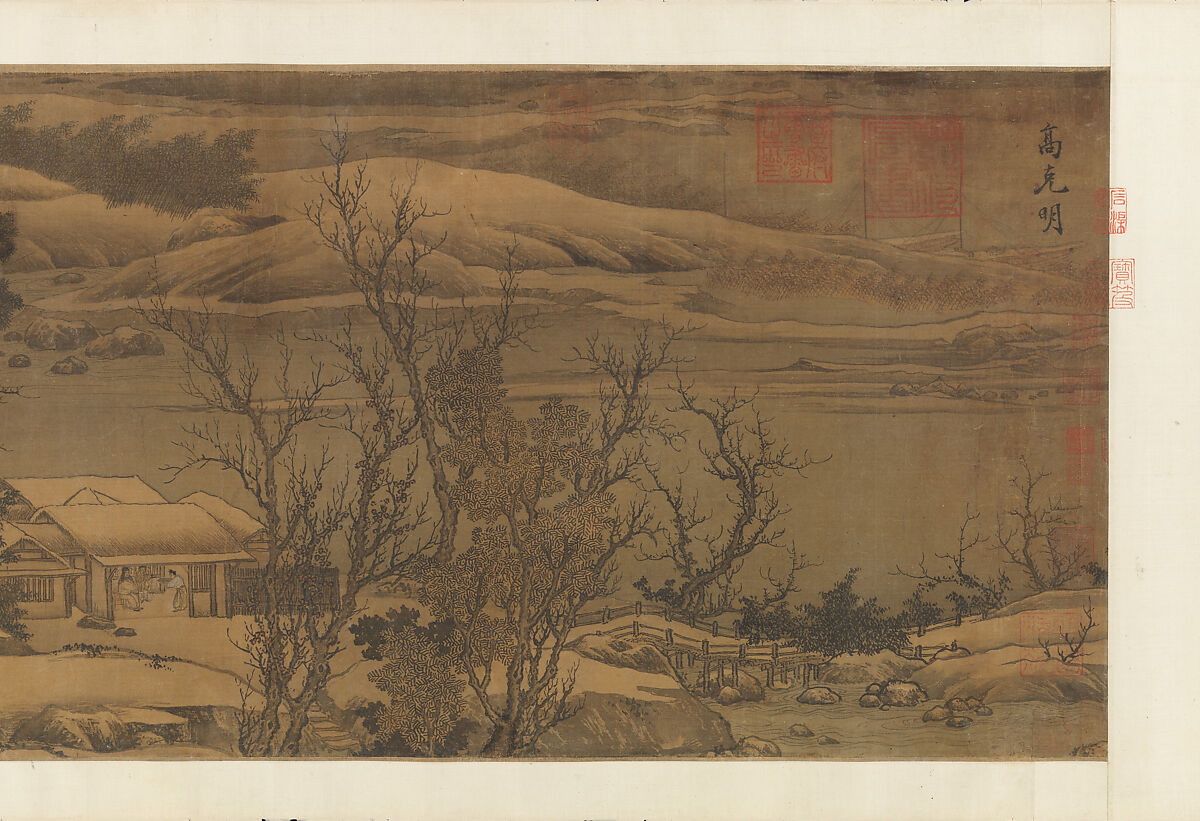
The two paintings above, featured at the MET, rose in prominence during the Song Dynasty. Paintings during this time period often featured human beings interacting with the land and expressed the cultural belief that nature was the best teacher. These pieces depict an expanse of emptiness that contrasts the grandeur of the natural world with the insignificance of humans. Song paintings invite us to reflect on the condition of humanity in the modern world and our continued inability to match Mother Nature’s power.
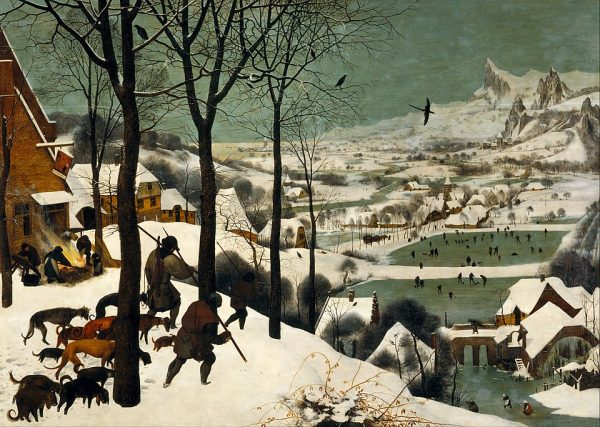
Pieter Bruegel’s Hunters in the Snow uses a variety of techniques to depict winter life during the Renaissance. The artwork depicts the frigid winter landscape of northern Europe, using bands of light and dark areas that draw attention to the bare trees, hunters returning empty-handed, and people ice skating below. The painting creates an illusion of depth while drawing attention to each individual element and silhouette throughout. Hunters in the Snow is representative of much Renaissance art: it depicts the cycle of life with practical themes and ordinary life in the context of the seasons. The artwork invites us to consider how prevalent winter’s scarcity has been throughout human history.
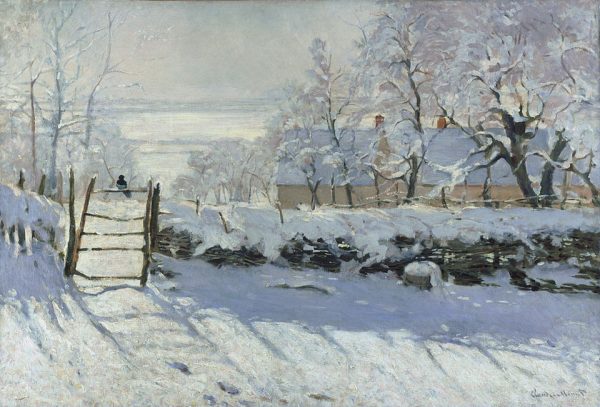
Claude Monet’s The Magpie is not as well-known as some of the artist’s other pieces, but it functioned as a forerunner to the Impressionist genre as a whole. Monet focused on spontaneously depicting the real world by documenting fleeting sights that occurred in the present moment, with an emphasis on light and color (which would become characteristic of the Impressionist genre). Monet played with the depictions of light and shadow, using lighter tones to create shadows and his visual observations of snow’s reflective properties to create unique tints. The magpie, in addition, lends a sense of scale to the painting, making the proportions seem more realistic. The Magpie, among other Impressionist works, invites us to pause and reflect on the fleeting nature of the transient while developing an appreciation for the simpler facets of the world around us.
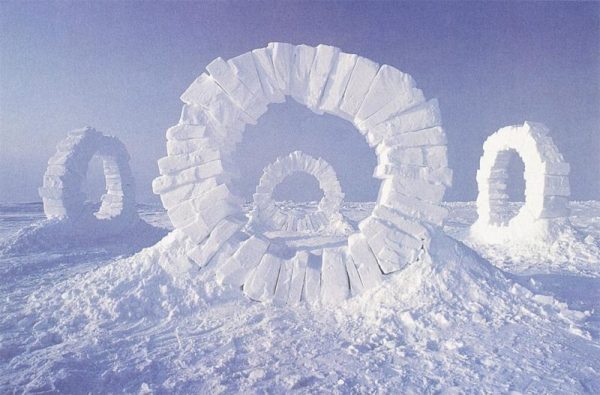
The variability of contemporary art lends itself to many different interpretations of the nature of winter. One such interpretation is presented in the work of Andy Goldsworthy, a contemporary artist who creates site-specific sculptures and land art using nearby natural materials. Among his pieces are this set of four ice sculptures located at the North Pole, which focuses on the transience of ice and the ephemeral nature of human creations. Goldsworthy prefers to craft pieces that illustrate the transient, chaotic essence of nature, and, as a result of his philosophy, these sculptures are no longer viewable. Goldsworthy’s sculptures serve as a reminder that nothing is eternal and there is beauty to be found in constant cycles of change.
Whether you’re an AP Art History student, an avid museum visitor, or a curious individual who stumbled across this article, hopefully, this inspired you to reflect on the portrayal of winter and the evolution of humanity’s relationship with nature over the course of history. If your curiosity has been piqued, visit the Nassau County Museum of Art, the Brooklyn Museum, or the Metropolitan Museum of Art to view more thought-provoking collections of winter art.